
Built by D&L Golden Construction · 459656C
What could your backyard earn? Type your address and see.
$550–650 a week what a granny flat there could rent for
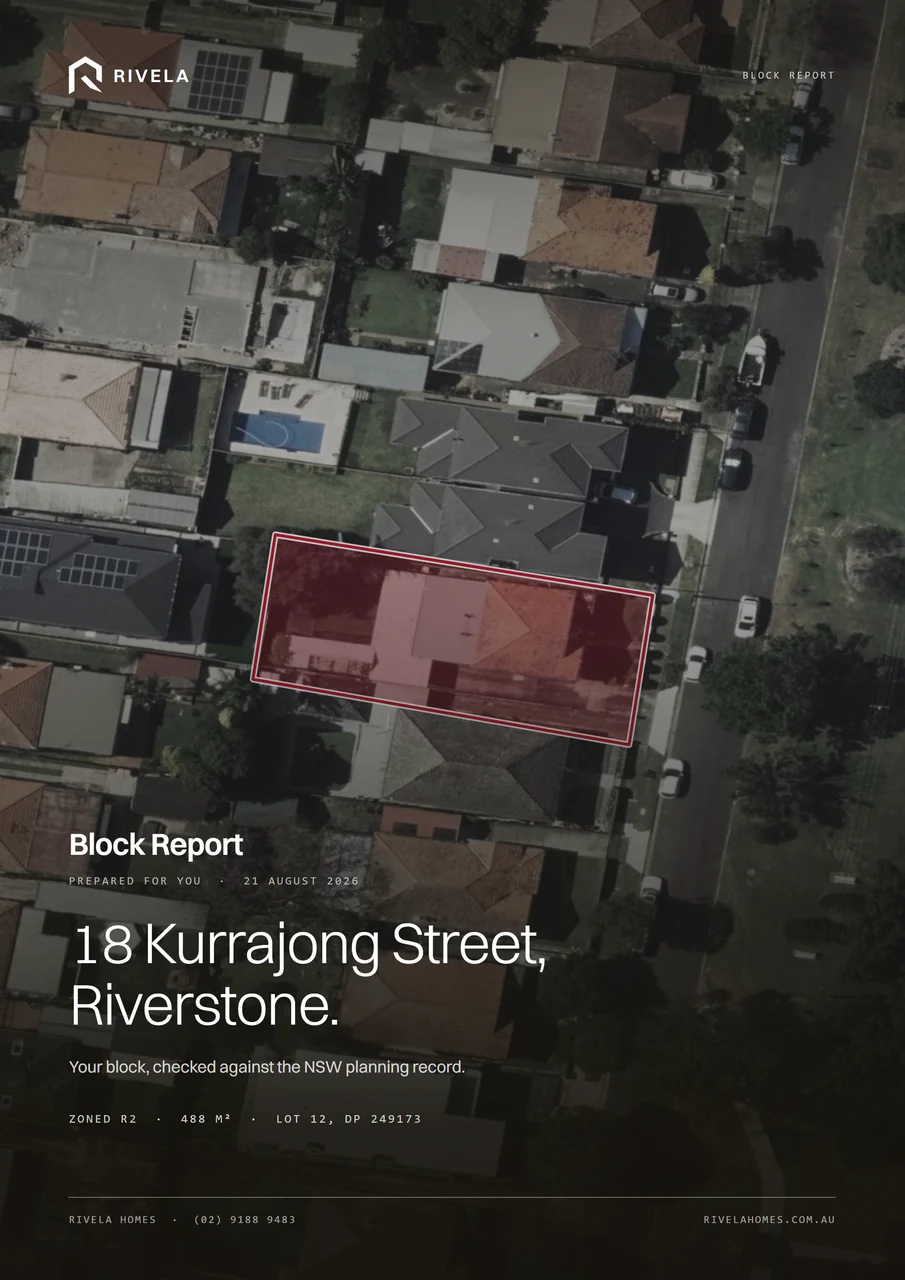
Your block report includes
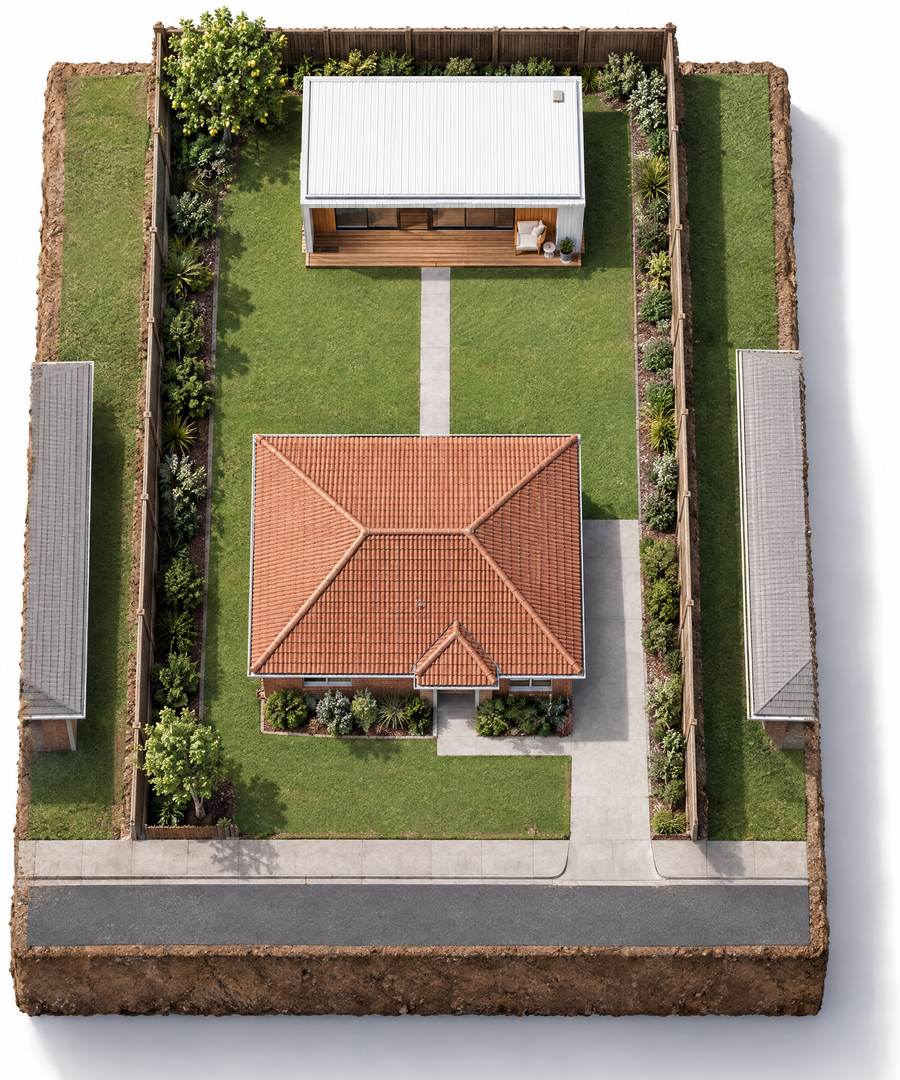
Lot size, frontage, zoning, heritage and bushfire, read live from the NSW planning records. The block above is an example.
 Builder
 Architect
 Engineer
 Certifier
 Carpenter
Want the full picture? Get your free block report
What it could earn.
Studio figures apply when it is the lot's one secondary dwelling - we confirm that in the free check.
Estimates only.
What these estimates are based on
Rent comes from the two-bedroom median in your own area rather than a flat multiplier, which is why it is a range and not a promise. It is rent before expenses and before approval costs. We confirm realistic numbers for your street when we look at your block. Not financial advice.

The builder who'll build yours has already built these.
Recent jobs by D&L Golden Construction, the licensed builder behind Rivela.
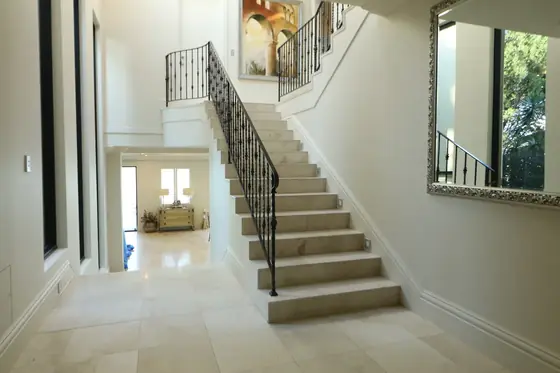 Huntleys Point
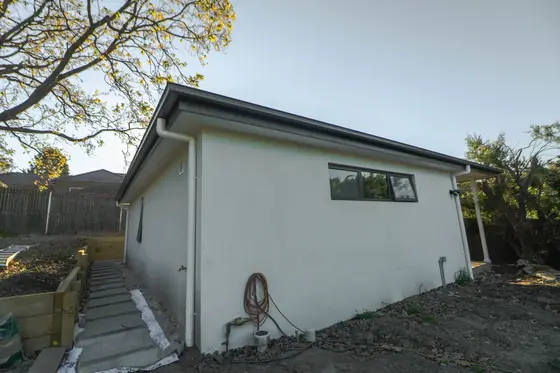 Eastwood
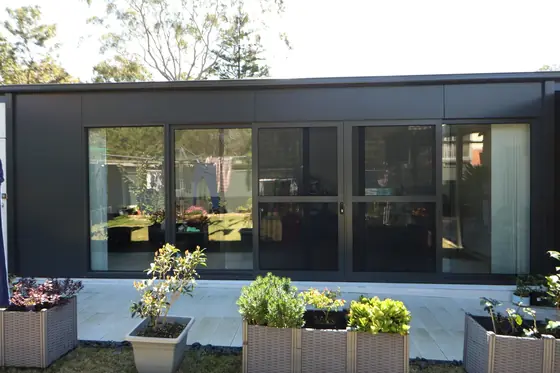 Concord West
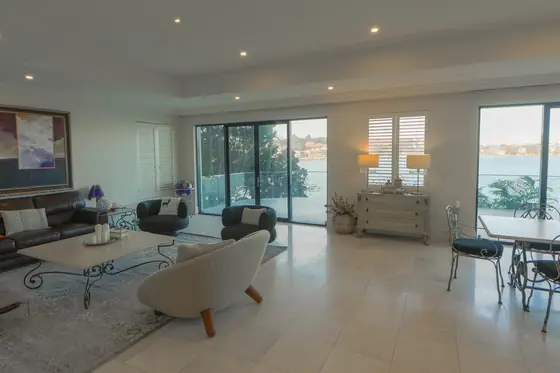 Huntleys Point
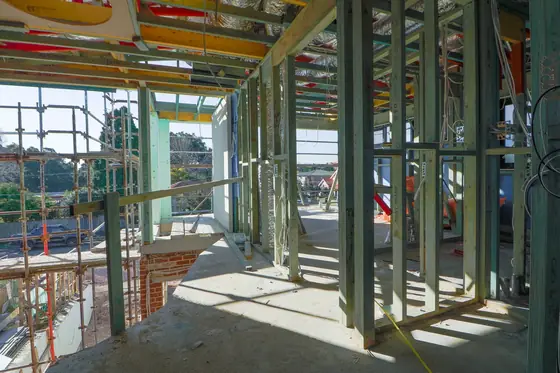 Concord
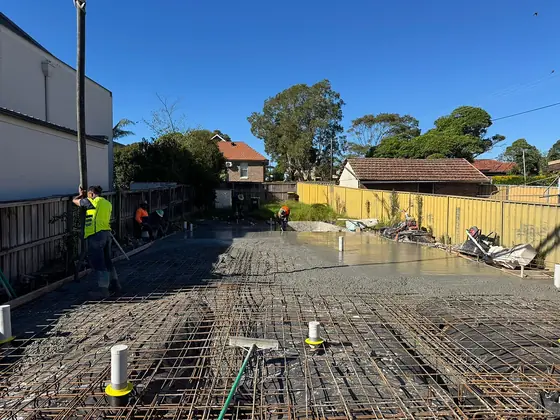 Concord
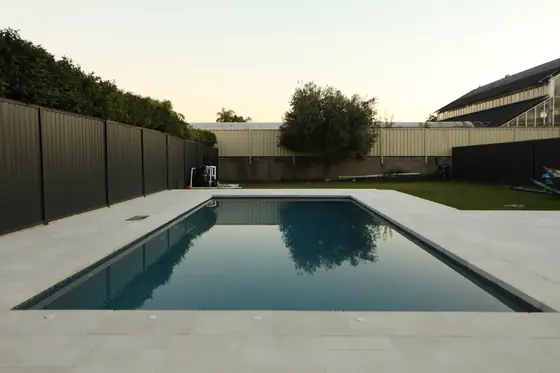 Croydon Park
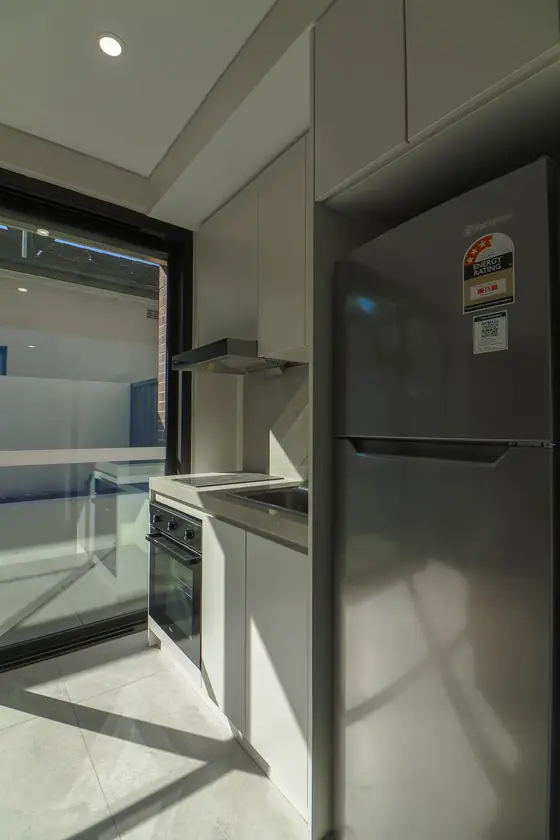 Kingsford
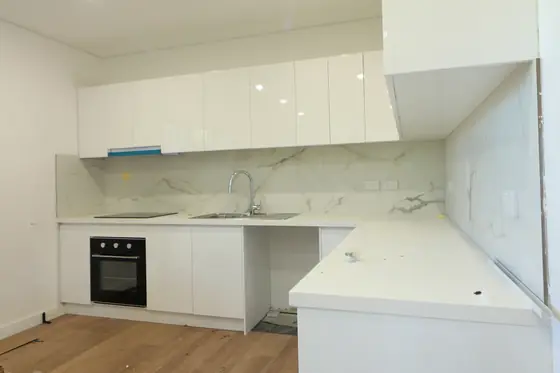 Eastwood
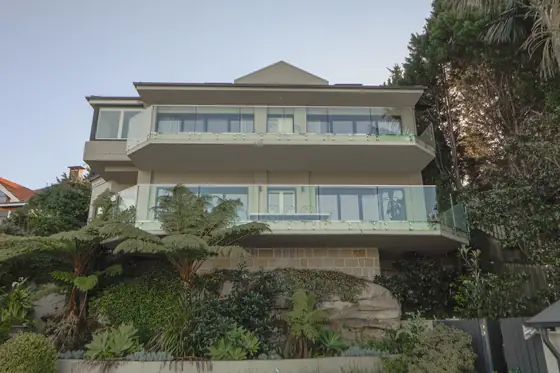 Huntleys Point
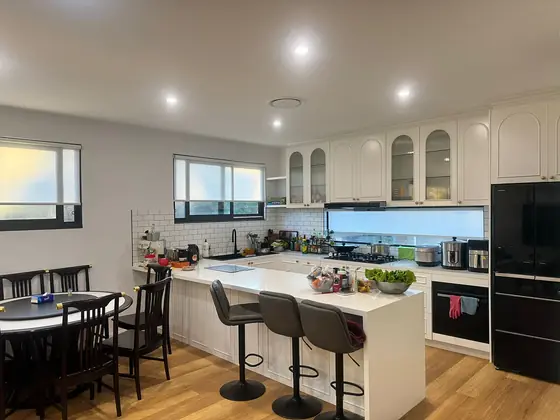 Concord West
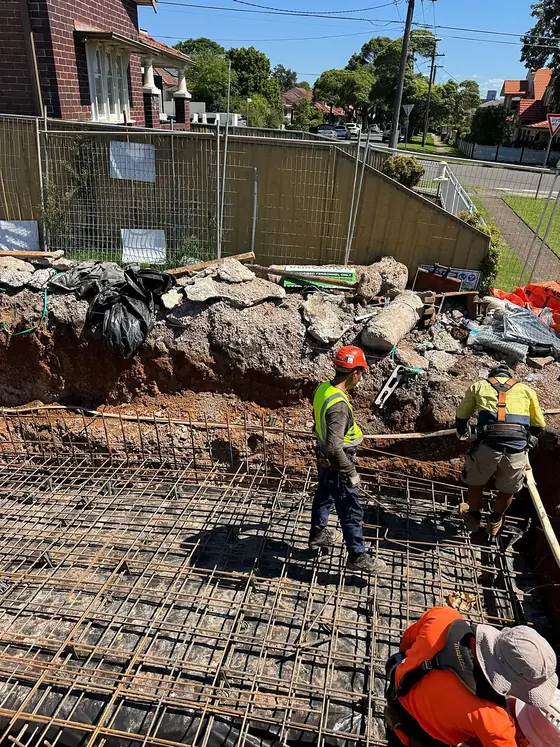 Concord
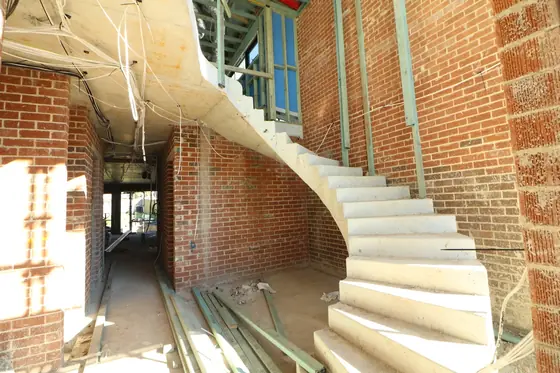 Concord
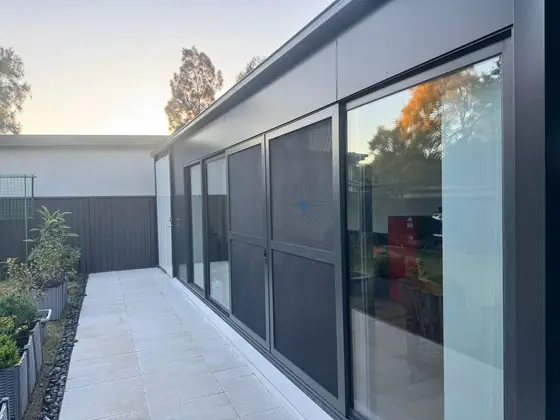 Concord West
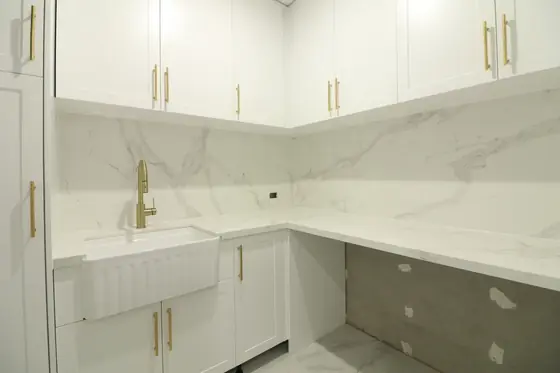 Croydon Park
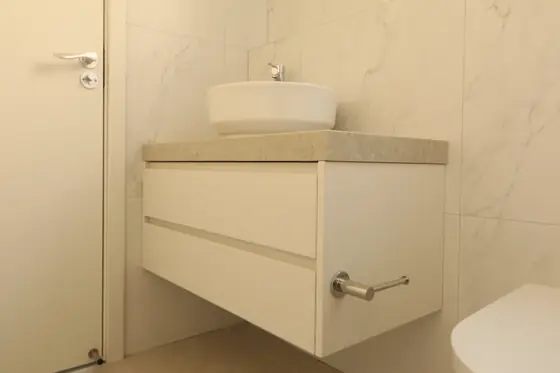 Kingsford
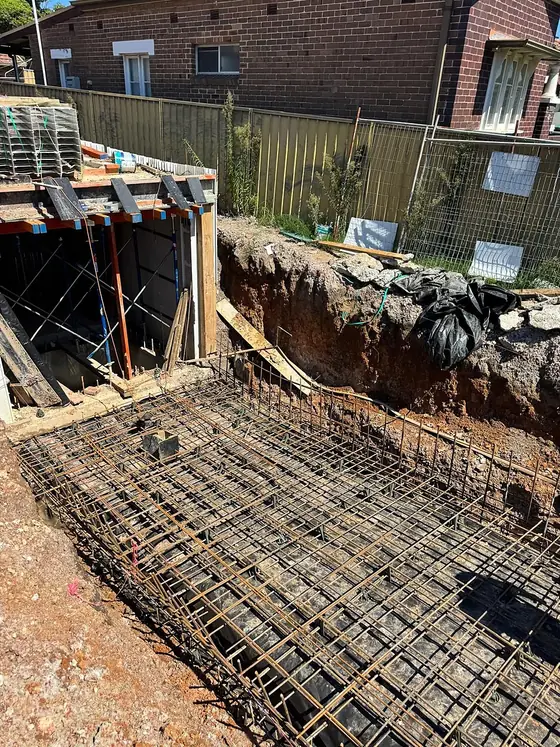 Concord
Recent jobs by D&L Golden Construction, the licensed builder behind Rivela.
Get my free block reportTwo numbers, same block of land.
How these numbers work
Gross yield is a year of rent divided by the purchase price, before expenses and before approval costs. The purchase price is the home on a standard site, on land you already own. Your own number depends on your block and your street, and that is what the free block report works out.

Step one is done. Three more and the backyard is earning.
You checked your block — done
Zone, lot size, frontage, heritage, bushfire. That is the answer above.
Your free block report
Nine sections on your block — aerial, site plan to scale, approval path, local rents.
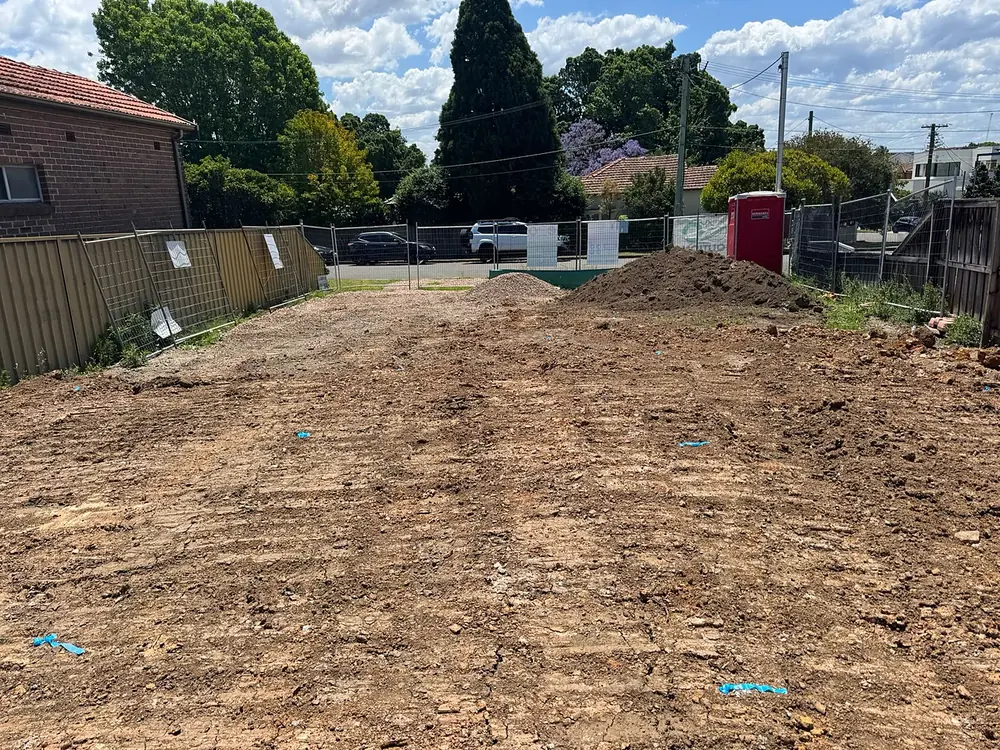
We walk the yard
Setbacks, sewer and easements, mapped on the day. Your price in writing before you sign.
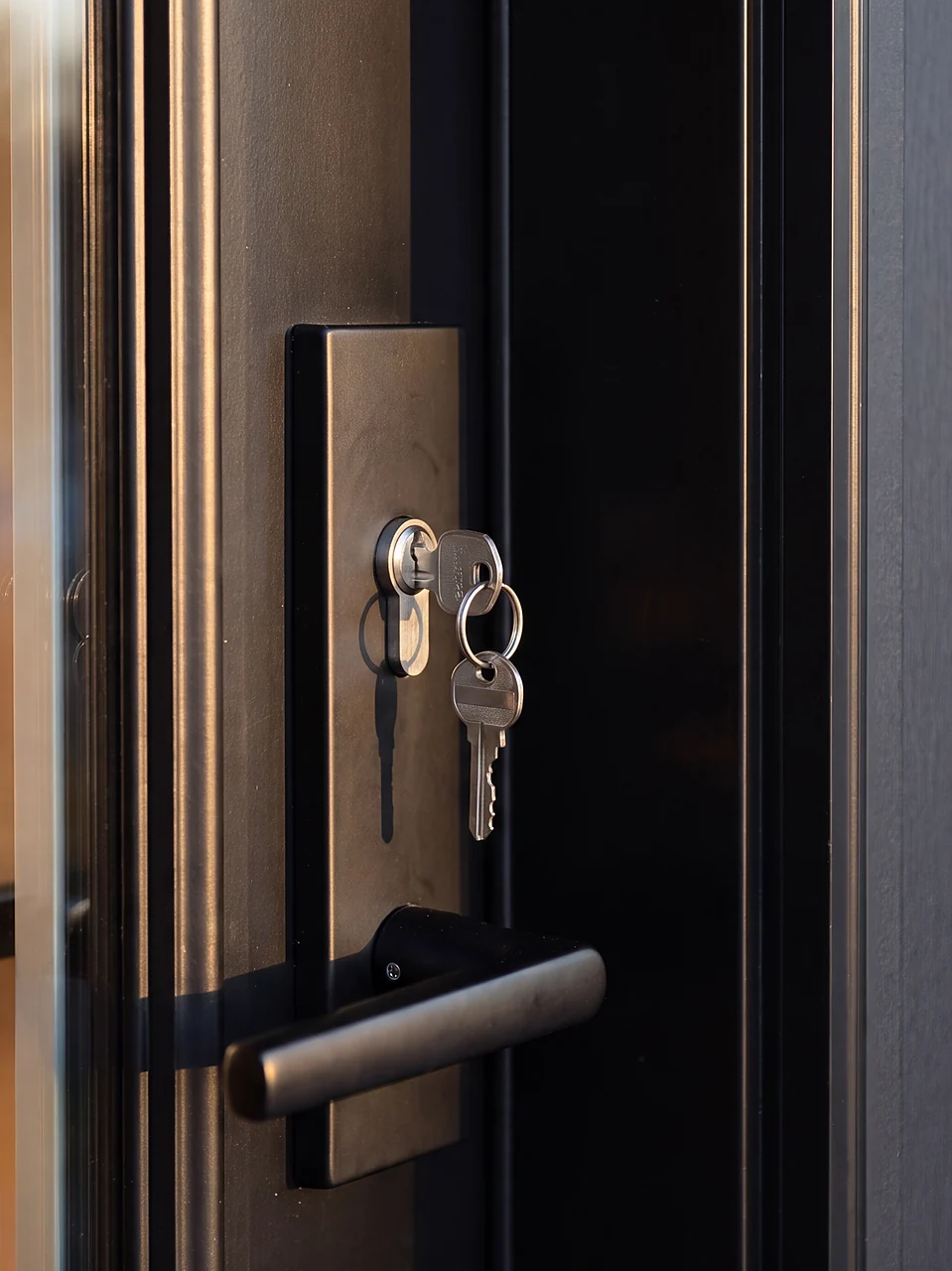
Built on your block, keys to you
Staged by a licensed builder, inspected at frame and waterproofing. About 12 weeks on site once approval is granted.
Built two the hard way. Building the third with Rivela.
I’ve built two granny flats the usual way. Both dragged on, and both cost more than they should have. The third one is going up with Rivela. Same standards, a lot less money, and far fewer trades to chase.
Jenny Chen, Hurstville. Her third granny flat.
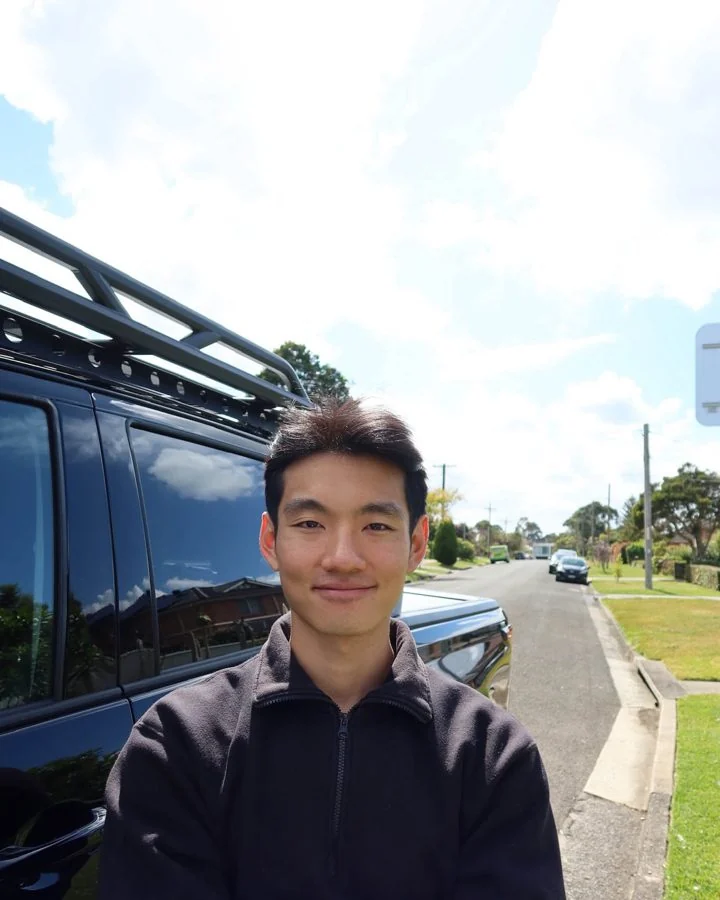
Carlo Zhang, founder.
“I started Rivela because a second dwelling shouldn’t cost what a conventional build does. We developed the Rivela system to specialise in secondary dwellings, to the same standards as any other home, so more Australians can put one on the land they already own.”
Before you call.
Will the "from" price double?
No. The number covers the building and the work to put it up, and the parts that depend on your block are quoted separately, in writing, before you commit to anything.
- What the price includes: the precision-engineered components and the on-site build on a standard site, with standard service connections.
- What is quoted separately: approval costs, plus anything your block needs beyond a standard site. These are the ones that genuinely differ block to block, so we price them after we have seen yours rather than guessing.
- When you see the full number: before you sign. One written price, both parts, no allowances left open.
- What moves it after that: only a change you ask for.
Will a bank lend on it?
Generally yes, and the reason is how it gets built. It goes up in stages on your block by a licensed builder, so lenders assess it as ordinary residential construction.
- Why that matters: a building fixed to your land is treated differently to a transportable or a chattel purchase. Keeping the work on site is what keeps it financeable the normal way.
- How the money flows: progress payments at stages, the same as any other build.
- What the bank wants to see: the approval, the contract, and a licensed builder behind it. All three exist here.
- If you don't know where to start: ask, and we'll point you to a finance broker. We're not paid for the introduction and you're under no obligation to use them.
- What Rivela does not do: arrange, advise on or organise your finance. Your bank or broker does that. We give them the documents they ask for.
Does my block qualify?
Most residential blocks in NSW can take a second dwelling. The real question is not whether, it is which approval path yours falls on.
- Two paths: a private certifier where the lot meets the standards, or council where it does not. Neither is a given until your address is checked.
- What decides it: lot size and shape, frontage, the space left around the building, and what is already on the block.
- What can complicate it: sewer mains, easements, a heritage or flood overlay, significant trees, or access to the rear.
- What it costs to find out: nothing. We check your address and tell you which path you are on before you spend anything.
How long does it take?
About 12 weeks for the build itself, once approval is granted. That is an estimate, not a date, and the approval period sits before it.
- The 12 weeks is the on-site build: from the moment we can legally start work on your block to handover.
- Approval comes first and is not included: nothing starts on site until it is granted, and how long that takes depends on your block and the path it falls on.
- Why the build itself is short: once approved, site works and component production run at the same time instead of one waiting on the other, and there are fewer trade handovers to stall it.
- You get dated stages in writing: before you sign, so the estimate is something you can hold us to rather than a number on a website.
- Weather and access can move it: we will tell you when it does, not after.
Where does it go on my block?
Usually behind the house, positioned so that you and whoever lives in it are not on top of each other. We aim for a separate entry on every job, and the site visit tells us whether your block allows one.
- Privacy, both directions: window and door positions are set so it does not look into your living areas and you do not look into its. This is the thing owners ask about most and it is a design decision, not an afterthought.
- A separate entry is what we aim for: its own path in and its own private outdoor space, so nobody walks through your yard to get home. On a narrow block, or where a boundary or easement is in the way, it is not always possible. We will tell you which yours is before you commit, not after.
- What the site visit maps: setbacks, sewer lines, easements, trees, fall across the block and where your parking stays.
- Access: how components and machinery reach the back of the property. Worth knowing early, because it is the thing most often discovered late.
What happens when I sell?
It stays. A second dwelling with an occupation certificate is part of the property, not something you take with you or unwind.
- It is part of the title: valued and sold with the house, like any other permanent structure.
- The paperwork goes with it: approval, occupation certificate, warranties and insurance documents transfer to the buyer.
- What a buyer is looking at: a house with a second dwelling already approved, built and, if you have let it, already tenanted.
- If you would rather not rent it: it is a permanent room set: family, guests, an office, or somewhere for a parent later.
Land you already own. $550–650 a week.
- Every number quoted in writing before you sign.
- Nothing starts on your block until the approval is granted.
- We visit blocks across NSW.
Prefer to talk it through? (02) 9188 9483
 View the Rivela range
Studio, granny flat and cabana